HealthServer Online Home

Category

Medical Devices & Home Health

9 articles

The Numbers Behind the Gear: What At-Home Health Devices Actually Save You Compared to Emergency Care

The Numbers Behind the Gear: What At-Home Health Devices Actually Save You Compared to Emergency Care

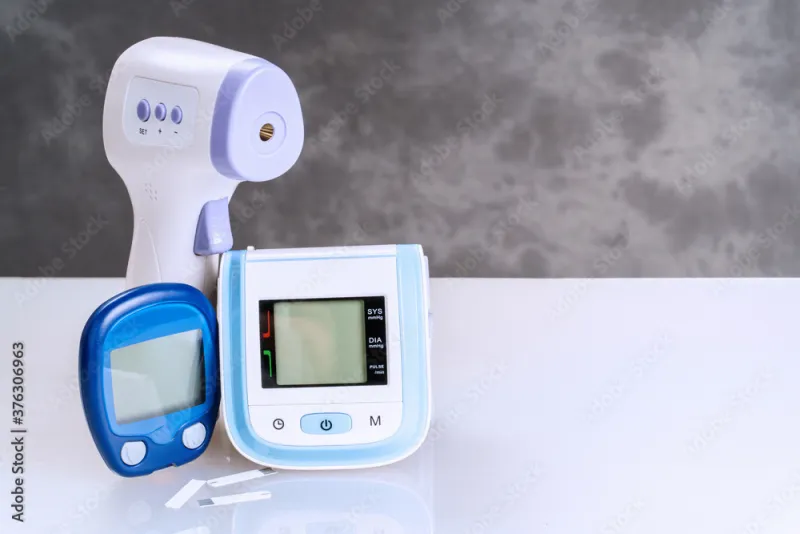
Emergency room visits for conditions like hypertension, hypoglycemia, and respiratory distress cost Americans thousands of dollars per episode—costs that, in many cases, could be avoided with modest investment in home monitoring technology. This breakdown examines the real return on investment for five common at-home health devices, translating wellness spending into concrete financial terms.

Alert, But Asymptomatic: Learning to Respond—Not React—When Your Wearable Raises a Flag

Alert, But Asymptomatic: Learning to Respond—Not React—When Your Wearable Raises a Flag

Fitness trackers and smartwatches now deliver real-time alerts about irregular heart rhythms, declining oxygen levels, and disrupted sleep—often to people who feel perfectly well. Understanding what these signals mean, which warrant clinical attention, and how to avoid both dangerous dismissal and unnecessary alarm is a skill that modern health consumers increasingly need to develop.

Spending Less, Protecting More: A Data-Driven Guide to Preventative Health for Uninsured and Underinsured Americans

For the estimated 27 million Americans without health insurance—and the tens of millions more who are underinsured—a single emergency room visit can represent a financial catastrophe. Strategic investment in targeted supplementation and affordable home monitoring devices offers a measurable, evidence-grounded alternative to reactive care. This analysis breaks down where limited healthcare dollars deliver the greatest return.

Lost in Translation: Why Your Fitness Tracker Data Rarely Makes It Into Your Medical Record

Lost in Translation: Why Your Fitness Tracker Data Rarely Makes It Into Your Medical Record

Millions of Americans diligently log their blood pressure, heart rate, and glucose levels using consumer-grade devices—yet that data almost never reaches their physician in any clinically meaningful way. The gap between what your devices know and what your doctor sees is wider than most patients realize. Understanding the technical, regulatory, and workflow barriers involved is the first step toward ensuring your at-home measurements actually shape your care.

Devices Don't Heal People—Doctors Do: Bridging the Gap Between Home Health Data and Clinical Action

Devices Don't Heal People—Doctors Do: Bridging the Gap Between Home Health Data and Clinical Action

Millions of Americans now generate sophisticated health data from wearables, connected monitors, and remote diagnostic tools—yet a startling number lack the clinical infrastructure to translate that data into meaningful care. This article examines why the home health technology revolution is only half-complete, and what practical steps consumers can take to ensure their readings reach the right medical professionals.

Your Doctor Can't See You Now: How At-Home Monitoring Devices Are Rewriting Chronic Disease Prevention

With physician wait times stretching into weeks and chronic conditions affecting nearly half of all American adults, at-home diagnostic devices have evolved from convenience tools into genuine clinical instruments. Blood pressure monitors, continuous glucose meters, and wearable ECG patches are generating the kind of real-time data that was once available only inside a hospital. This article examines what the evidence says about their accuracy, clinical impact, and role in the future of preventa

The Cost of Waiting: Why Proactive Health Investment Today Can Save Americans Thousands Tomorrow

The Cost of Waiting: Why Proactive Health Investment Today Can Save Americans Thousands Tomorrow

America's healthcare system is built around treating illness after it arrives, but a growing body of economic and clinical evidence suggests that strategic, proactive health management can dramatically reduce long-term medical expenditures. This piece examines the real numbers behind preventative care — and makes the case for why at-home monitoring and targeted supplementation deserve a place in every household budget.